Understanding Pet Allergic Reactions and Allergy Test

In daily care, some pet owners may notice that their dogs or cats experience persistent itching, recurrent ear inflammation, or unstable digestive conditions. These issues may not always appear severe, but they often recur and can be difficult to clearly identify the cause.

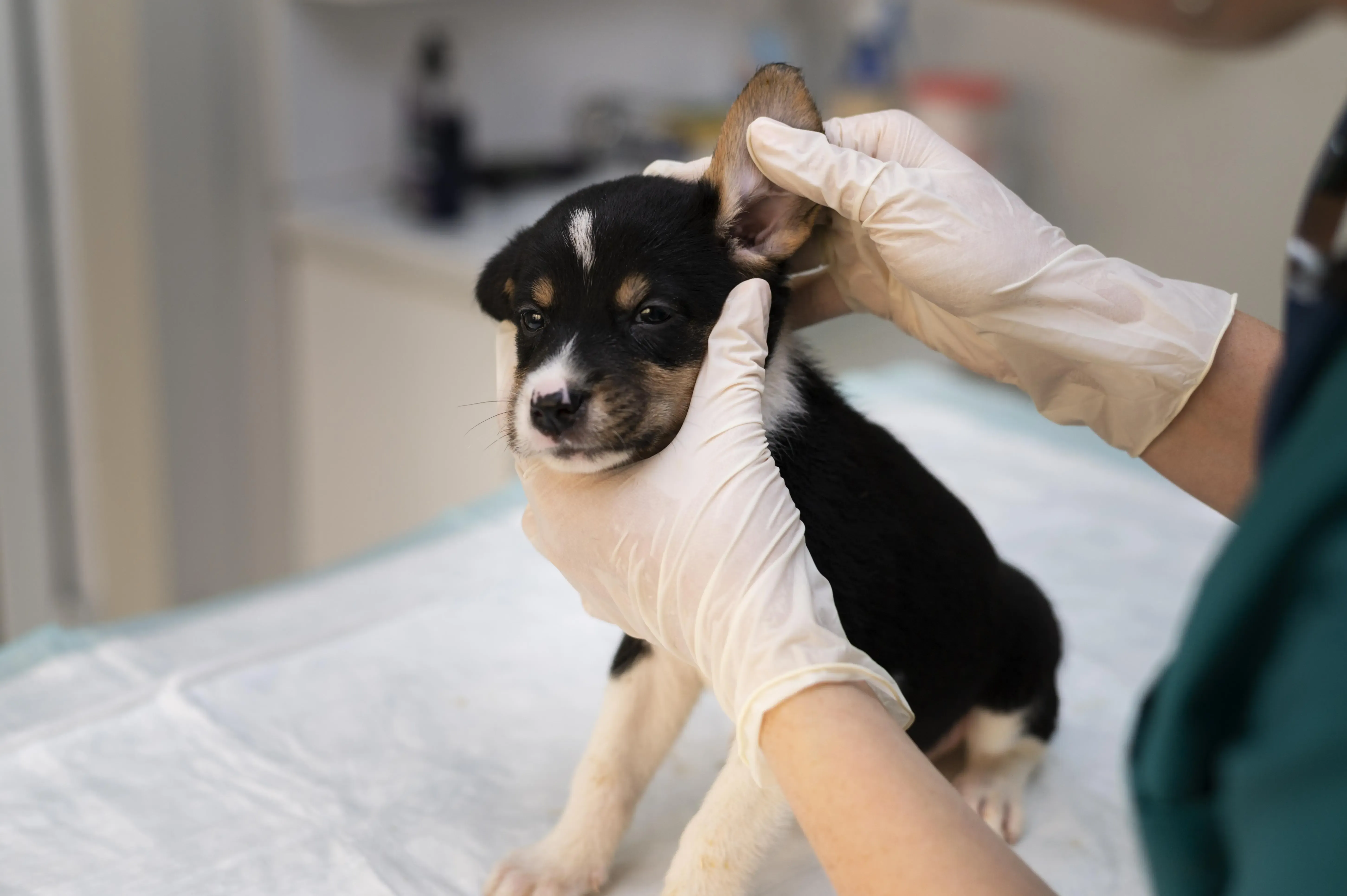
Some dogs and cats may frequently scratch, lick their paws, shake their heads, or develop localized hair loss and skin redness. Others may experience soft stool, diarrhea, or digestive discomfort after eating. In addition to infections, parasites, or other common causes, some of these signs may also be associated with allergic reactions in certain cases.

毛孩也會過敏嗎?

Can Pets Have Allergies Too?

Yes. Dogs and cats, like humans, may also develop allergy-related reactions.

When the immune system reacts to substances that are normally tolerated in most situations—such as dust mites, pollens, or food proteins—pets may develop discomfort involving the skin, ears, digestive system, or respiratory tract. International studies suggest that allergy-related diseases are relatively common in dogs and cats, with some estimates ranging around 12–15%, meaning approximately 1 in every 8 pets may be affected by allergies.

Common allergy-related conditions include atopic dermatitis, food allergies, and respiratory allergies.

Allergies are not caused by a single factor. They are usually influenced by a combination of genetic predisposition, living environment, diet, stress, and daily exposure factors, and they often present as long-term, recurrent conditions.

Common Allergy-Related Signs in Dogs and Cats

In dogs and cats, allergy-related reactions commonly present in the following ways:

皮膚

Skin

recurrent itching, licking, chewing, redness, hair loss, or increased dandruff

耳朵

Ears

recurrent otitis externa, head shaking, odor, or increased discharge

腸胃

Digestive system

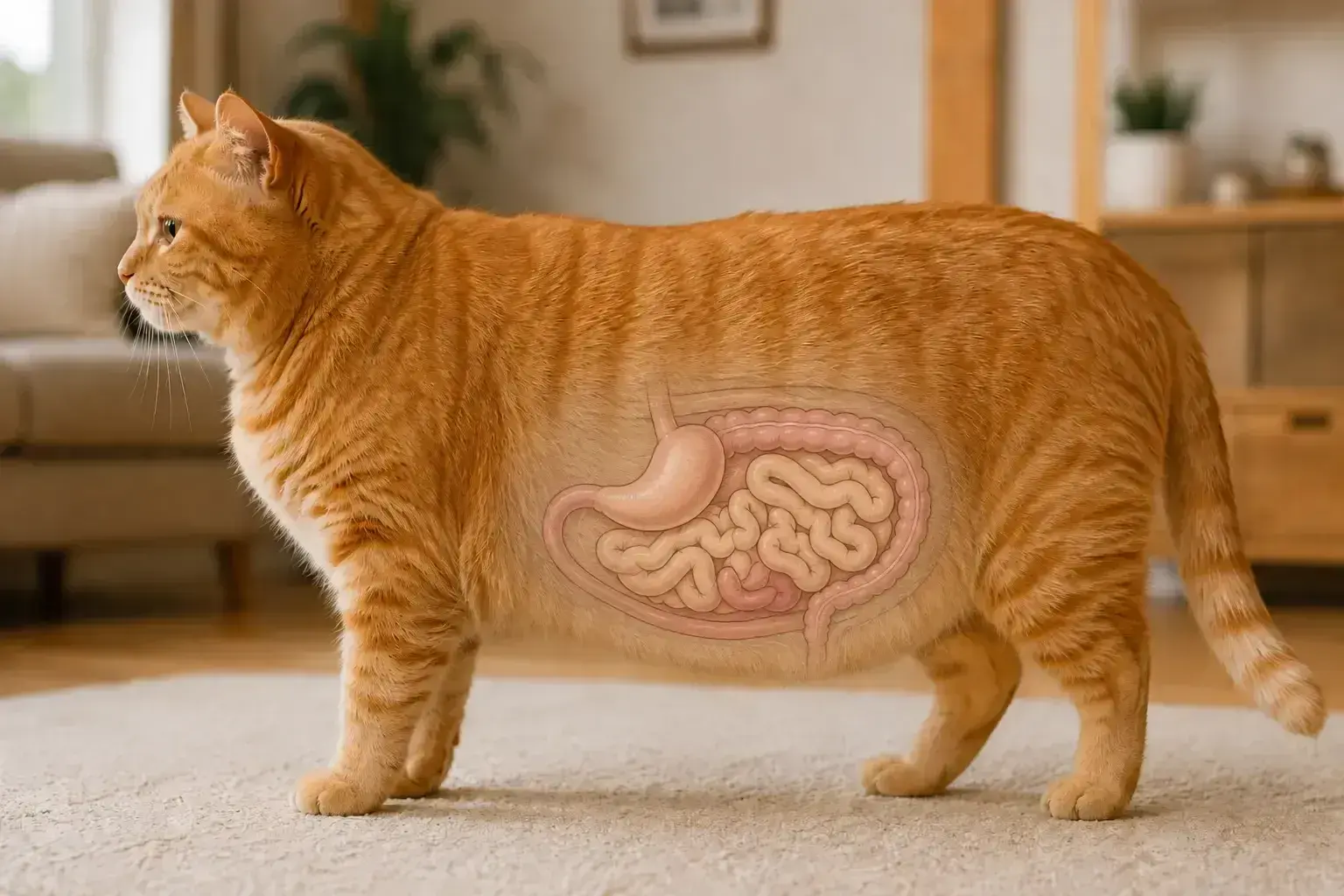
soft stool, diarrhea, or discomfort after eating

行為

Behavior

restlessness or frequent licking of specific areas

These signs do not always appear at the same time and may vary depending on season, diet, environment, or individual condition, making the underlying cause difficult to identify through daily observation alone.

Where Do Allergens Come From?

Allergens in dogs and cats are generally divided into two major categories:

環境型過敏原

Environmental allergens

dust mites, molds, pollens, dander, and insects

食物型過敏原

Food allergens

including animal proteins (such as beef, chicken, seafood, eggs, and milk) and plant proteins (such as wheat, corn, and soy)

Taiwan’s humid climate and large temperature fluctuations create an environment where dust mites, molds, and dander can thrive, making it a high-risk region for pet allergies.

In addition, genetic predisposition (certain breeds are more prone to allergies), immune imbalance (disruption of Th1/Th2 balance), and environmental stress may weaken the immune defense system and contribute to more pronounced allergic reactions.
為什麼犬貓過敏不容易判斷?

Why Are Allergies in Dogs and Cats Hard to Identify?

Unlike a single disease, allergy-related conditions often have the following characteristics:

  • Recurrent episodes with varying severity
  • Multiple contributing factors at the same time
  • Symptoms that may not immediately correspond to the source of exposure

For example, certain food ingredients or environmental factors such as dust mites and molds may gradually affect the body after prolonged exposure. As a result, even after adjusting one possible factor, symptoms may still recur.

過敏原檢測在做什麼?

What Does Allergy Testing Do?

In clinical evaluation, after veterinarians rule out infections, parasites, or other common causes, allergy-related conditions may be considered when suspicion remains high. In some cases, further discussion about allergy testing may help identify potential environmental or dietary factors affecting the pet.

Allergy testing mainly evaluates how the immune system reacts to different substances and systematically organizes possible daily exposure factors as part of the overall assessment and management process.

It is important to note that test results do not directly equal a diagnosis or treatment plan. Clinical signs and professional veterinary interpretation remain essential for proper evaluation.

When Should You Discuss Further Evaluation with Your Veterinarian?

If your pet shows any of the following conditions, you may discuss further evaluation or testing with your veterinarian:

皮膚症狀(最常見)

Skin Symptoms (Most Common)

  • Persistent itching, paw licking, or chewing
  • Redness around the eyes, abdomen, or armpits
  • Ear itching or recurrent otitis externa
  • Hair loss, dandruff, darkened skin, or skin thickening
呼吸道症狀

Respiratory symptoms

  • Allergic rhinitis
  • Coughing or sneezing
腸胃道症狀

Gastrointestinal symptoms

  • Diarrhea, vomiting, or bloody stool
  • Bloating or poor nutrient absorption
If these symptoms recur frequently, worsen seasonally, or affect both the skin and digestive system at the same time, further evaluation with a veterinarian may be considered.
如何選擇適合毛孩的過敏原檢測?

How to Choose the Right Allergy Test for Your Pet?

Common evaluation methods currently include blood testing and intradermal testing.

Blood testing typically involves collecting a small blood sample to evaluate immune reactions to multiple environmental and food-related factors, and is commonly used as one of the reference tools in clinical assessment.

Intradermal testing must be performed under specific conditions, and veterinarians determine its suitability based on the individual pet’s condition.

In Taiwan, where small- and medium-sized companion animals are most common, it can sometimes be difficult to find a sufficiently large area of healthy skin in pets with recurrent allergic skin disease for intradermal testing. As a result, blood testing is often used in clinical practice because the sampling process is simpler. With as little as 1 c.c. of blood, it is possible to rapidly evaluate reactions to hundreds of environmental and food-related factors. This approach is commonly applied in pets with chronic itching, dermatitis, or recurrent ear inflammation, with veterinarians interpreting the results together with clinical signs to provide appropriate recommendations.

Each testing method has its own suitable applications, and the final choice should be determined by a veterinarian according to the pet’s individual condition.

檢測結果應由獸醫師判讀

Test results should be interpreted by a veterinarian.

Dog and cat Allergen Tests are one of the tools used to help identify potential reaction factors and should not be used alone as the sole basis for diagnosis or treatment. Test results should be interpreted together with the pet’s clinical signs, medical history, diet, environmental exposure, and veterinary evaluation to determine appropriate management strategies.

If your pet experiences recurrent itching, ear inflammation, skin problems, or digestive discomfort, it is recommended to consult a veterinarian to determine suitable testing, dietary management, environmental adjustments, or treatment options based on the individual condition. 

FAQ About Allergen Tests for Dogs and Cats

EBS combines clinical data with veterinary practical experience to address common questions about dog and cat Allergen Tests. When pets experience recurrent itching, ear inflammation, or digestive instability, pet owners often have similar questions while considering whether to further investigate the underlying cause.

The following sections summarize key points regarding testing timing, sample preparation, testing panels, report interpretation, and post-test management as a reference for discussions between pet owners and veterinarians.

Testing Timing & Preparation

When should my pet receive an Allergen Test?

After veterinarians rule out common causes such as skin infections, external parasites, or other possible conditions, allergy-related disease may be considered based on medical history and clinical signs. At that stage, pet owners may discuss further Allergen Testing with their veterinarian.

Some veterinarians may first use hydrolyzed diets or hypoallergenic elimination diets to evaluate possible food-related reactions. Allergen Tests may also be used as a reference when designing elimination diet plans, such as prioritizing avoidance of food proteins with higher IgE reactivity. The actual approach should still be determined by veterinarians according to the pet’s condition, owner compliance, and clinical needs.

Is medication withdrawal required before testing?

If dogs or cats are using medications that may affect immune responses, especially oral or injectable corticosteroids, these medications may suppress specific IgE antibody expression. Before sample collection, veterinarians should evaluate whether medication withdrawal is necessary and determine the appropriate withdrawal period.

In general, withdrawal periods vary depending on the medication type, dosage, duration of use, and the pet’s condition. For corticosteroids, the withdrawal period may commonly range from 2 to 4 weeks. If you are unsure whether current medications may affect the test, please consult your veterinarian before scheduling sample collection.

Is blood sample collection difficult? Is anesthesia required? What preparation is needed before testing?

Dog and cat Allergen Tests commonly include serological testing and intradermal skin testing. Intradermal testing is typically performed under specific conditions and may involve shaving, sedation, or anesthesia, depending on the veterinarian’s assessment of the individual animal.

EBS dog and cat serological Allergen Testing mainly analyzes a small blood sample, making the sampling process relatively simple and less burdensome for both pets and owners.

Pet owners may consider the following before testing:

  • If the pet is currently experiencing active itching, inflammation, or other symptoms, veterinarians may evaluate whether blood collection during the symptomatic period is appropriate.
  • If the pet is using anti-allergy or immune-related medications, veterinarians should evaluate whether an adequate withdrawal period has been completed.
  • Conditions such as hyperlipidemia, hemolysis, or jaundice may affect serum quality and result interpretation, and veterinarians should assess whether testing is appropriate.
  • Pet owners may record information such as diet, environmental changes, supplement use, outdoor activities, or recent vaccinations during symptom flare-ups as a reference for post-test report interpretation.

Testing Panels & Principles

What Allergens Can Be Evaluated with the AllerSpot® DC72 Dog & Cat Allergen Test?
  • AllerSpot® DC72 Dog & Cat Allergen Test analyzes 72 specific IgE allergens, including 29 environmental allergens and 43 food allergens.
  • The 29 environmental allergens include common allergens found in Taiwan such as dust mites, molds, pollens, insects, and dander.
  • The 43 food allergens cover a wide range of ingredients, including meats, seafood, legumes, wheat, grains, eggs, and dairy products.

The test results may help veterinarians and pet owners identify potential sources of immune reactions as part of ongoing treatment planning, dietary management, and environmental adjustment strategies.

View the Complete List of 72 Allergens

Report Interpretation & Clinical Applications

Why Does My Pet Show High Reactivity to Foods They Have Never Eaten?

Foods your pet has never eaten may still show signals on the report, and one common reason is cross-reactivity. Some food or environmental allergens may share similar biological classifications or allergenic protein structures. To the immune system, these substances may appear similar, so exposure to one material may also produce varying degrees of reactivity to another.

For example, a pet may never have consumed milk but may have been exposed to or eaten beef. Because these substances can share similar allergenic protein fragments, signals may appear for both on the report. Similar situations may also occur with environmental allergens, such as between different dust mite species.

In addition, some treats, supplements, parasite prevention products, or pet toothpaste may contain animal-derived proteins. Products such as rawhide chews, milk-based treats, animal protein supplements, or palatability enhancers containing meat extracts may all represent actual exposure sources.

It is important to note that report signals indicate that the immune system has shown signs of reactivity to a substance, but whether this will lead to clinical symptoms still requires interpretation based on the pet’s actual condition and veterinary evaluation.

Why Does My Pet Have Obvious Symptoms but Very Low Signals on the Report?

If a pet has clear symptoms but low report signals, possible reasons may include:

  • The submitted serum sample was not suitable for testing, such as severe lipemia, hemolysis, jaundice, or exposure to high temperatures during storage or transport.
  • The medication withdrawal period was insufficient, resulting in suppression of specific IgE antibody signals by immunosuppressive medications.
  • Too much time had passed since the symptomatic period, allowing allergen-specific IgE antibodies to gradually decline.
  • Certain breeds or individuals naturally have lower concentrations of specific IgE antibodies.
  • The pet’s allergic reactions may not be entirely related to IgE antibodies and could involve other immune pathways or non-immune-related factors.

The IgE pathway is currently one of the most studied mechanisms and is commonly used as a reference in clinical screening. However, test results should still be evaluated together with symptoms, medical history, diet, and environmental records.

What Do the Test Results Mean? How Should Single or Multiple Positive Results Be Interpreted?

If test results show elevated IgE reactivity to a specific allergen, it suggests that the pet’s immune system is more sensitive to that substance and may be associated with an increased risk of allergic reactions.

However, this does not mean the pet will definitely react every time it encounters the substance, nor does it mean that untested substances are automatically safe. The report reflects specific IgE antibody activity only at the time of sample collection and should be interpreted together with clinical signs, medical history, diet, and living environment.

For food allergens in particular, elimination diet trials are still commonly recommended as part of a more complete evaluation. Serological testing may serve as an initial screening tool and help guide dietary elimination planning, but successful implementation requires cooperation between veterinarians and pet owners.

Most importantly, test results should be analyzed together with clinical symptoms and environmental or dietary history. Depending on the individual case, veterinarians may consider dietary management, environmental adjustments, allergen-specific immunotherapy, or supportive daily care strategies.

Why Does My Pet React Immediately After Eating Something but Show Little Signal on the Report?

If a substance is strongly suspected to cause reactions but shows low signals on the report, several explanations are possible:

  1. The reaction may not be mediated through the IgE antibody pathway. Food-related reactions may involve other immune mechanisms or may be related to digestion, metabolism, or food freshness.
  2. If the pet has already avoided the food for a long period due to known reactions, serum-specific IgE antibodies may have gradually declined. Serological testing reflects antibody status only at the time of blood collection and may not capture past reactions to allergens that have not been encountered recently.
  3. Some reactions may not be directly related to immune responses. For example, improperly stored food may contain histamine produced by bacterial metabolism, or pets with digestive or metabolic disorders may display symptoms resembling allergic reactions.

Therefore, even if report signals are low, pet owners should still provide veterinarians with records of observed food reactions as part of ongoing evaluation and management.

My Pet’s Results Were Not What I Expected. Should Retesting Be Considered? Why Can Retest Results Differ?

Some situations may lead to unexpected test results, such as blood collection outside the symptomatic period, insufficient medication withdrawal, poor serum quality, or allergic reactions that are not strongly associated with specific IgE antibodies.

If needed, pet owners may discuss planned retesting with their veterinarian. Examples include:

  • Retesting after adequate medication withdrawal and recurrence of symptoms under veterinary guidance
  • Reevaluation after significant changes in environment, diet, lifestyle, or disease presentation
    Seasonal retesting during periods when symptoms become more pronounced

Allergic diseases are often influenced by multiple factors. Exposure sources, diet, stress, lifestyle, disease status, and treatment approaches may all affect test results at different time points. Therefore, decisions regarding retesting should always be made by veterinarians based on the individual case.

Daily Management After Allergen Test

What Dietary or Environmental Adjustments Should I Make After Allergen Test to Support My Pet?

After testing, it is recommended that pet owners and veterinarians work together to develop an appropriate management plan. Common areas that may be discussed include:

  • Dietary management: Based on the report results and veterinary recommendations, discussions may include dietary adjustments or elimination diet trials. If certain food items show higher reactivity signals, such as beef, chicken, seafood, dairy, or eggs, these results may serve as references when designing elimination diets.
  • Environmental management: Increasing household cleaning frequency and incorporating dehumidification, air purification, bedding hygiene, and environmental cleaning may help reduce exposure to environmental allergens such as dust mites, molds, pollens, dander, or insects.
  • Allergen-specific immunotherapy evaluation: If environmental allergens appear to be strongly associated with clinical symptoms, veterinarians may evaluate whether allergen-specific immunotherapy is appropriate.
  • Monitoring and record keeping: Pet owners may keep an allergy diary to record diet, environmental changes, symptom flare-ups, and medication use, helping veterinarians evaluate ongoing management effectiveness.
Is the AllerSpot® DC72 Test Suitable for All Dogs and Cats? Are There Any Age, Breed, or Health Restrictions?

In principle, whether an Allergen Test is appropriate should still be determined by a veterinarian based on the pet’s individual condition. The following situations require special consideration:

  • Pets with autoimmune diseases, cancer, bone marrow disorders, or white blood cell–related diseases may have abnormal immune responses, which could limit the clinical significance of the test results.
  • Dogs and cats under one year of age may have immature immune systems, and test results may differ after reaching adulthood.
  • Vaccination may temporarily influence immune responses. It is generally recommended to wait for a period after vaccination before veterinarians evaluate whether testing is appropriate.

If pet owners are unsure whether their pet is suitable for testing, it is recommended to provide medical history, medication records, and recent symptom information to the veterinarian before making a decision.